Active Dynamic Glazing
Switchable solar control that changes light and heat properties with voltage, light or heat — comfort without external shading.
What is dynamic glass?
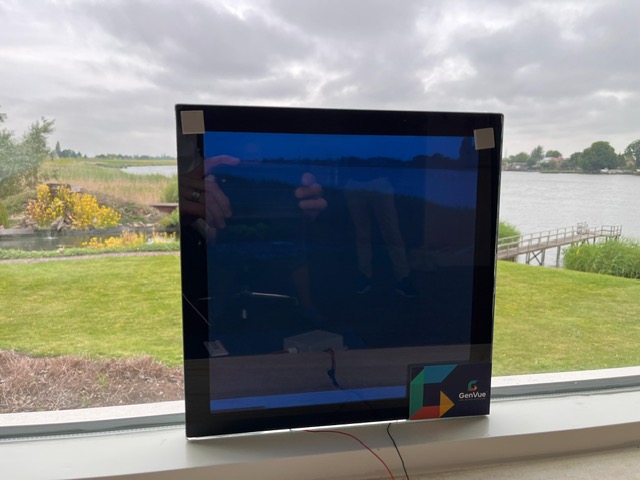
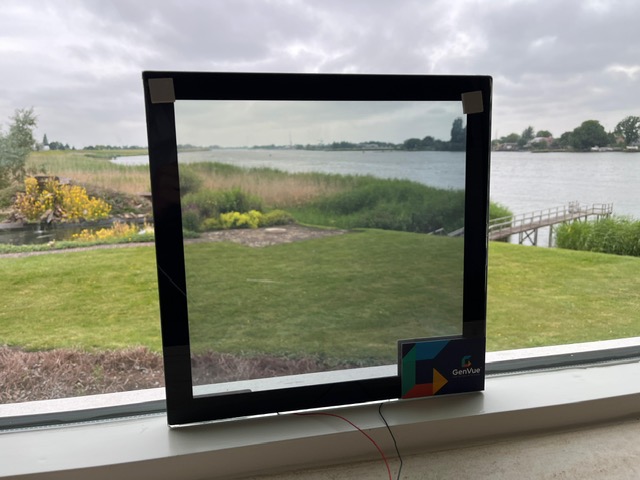
Dynamic glass can have both switchable and dynamic sun control that changes the solar factor and solar thermal properties by applying voltage, light or heat.
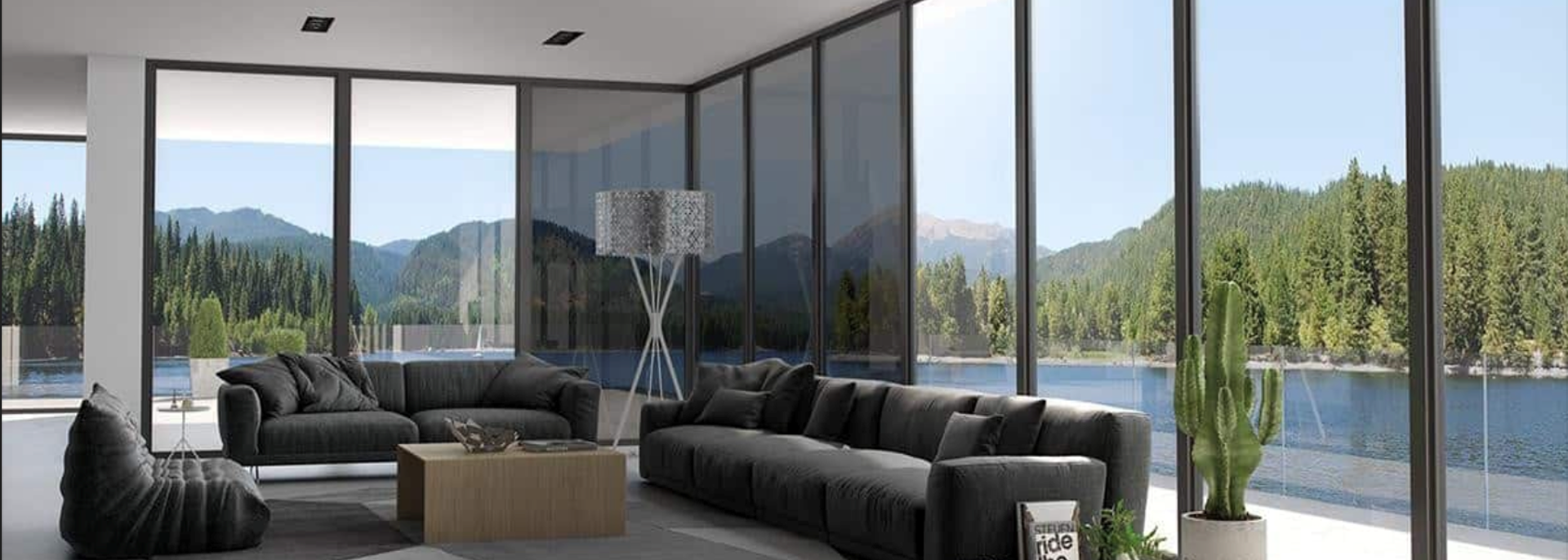
Because heat and direct sunlight are blocked without external sun protection, visual and thermal comfort are created immediately.
Technology
Thomsa Glass works with both electrochromic glass and GenVue Shade (polarized) to obtain the optimal result in daylight or energy saving.
Performance and design freedom
Glass laminate or insulating glass (2–4 panes).
Up to 71% light transmittance (LT).
Block over 90% of the solar energy (g 0.1).
Insulate down to Ug = 0.3 W/m²K.
Natural daylight (Ra 94–90).
Freedom of design:
Dimensions: maximum 1,550 × 6,000 mm.
Free form: triangular, round, curved.
Functions: anti-condensation, sound, protection, security.
Automatically controlled via a control system, BMS, solar sensor and temperature sensor.
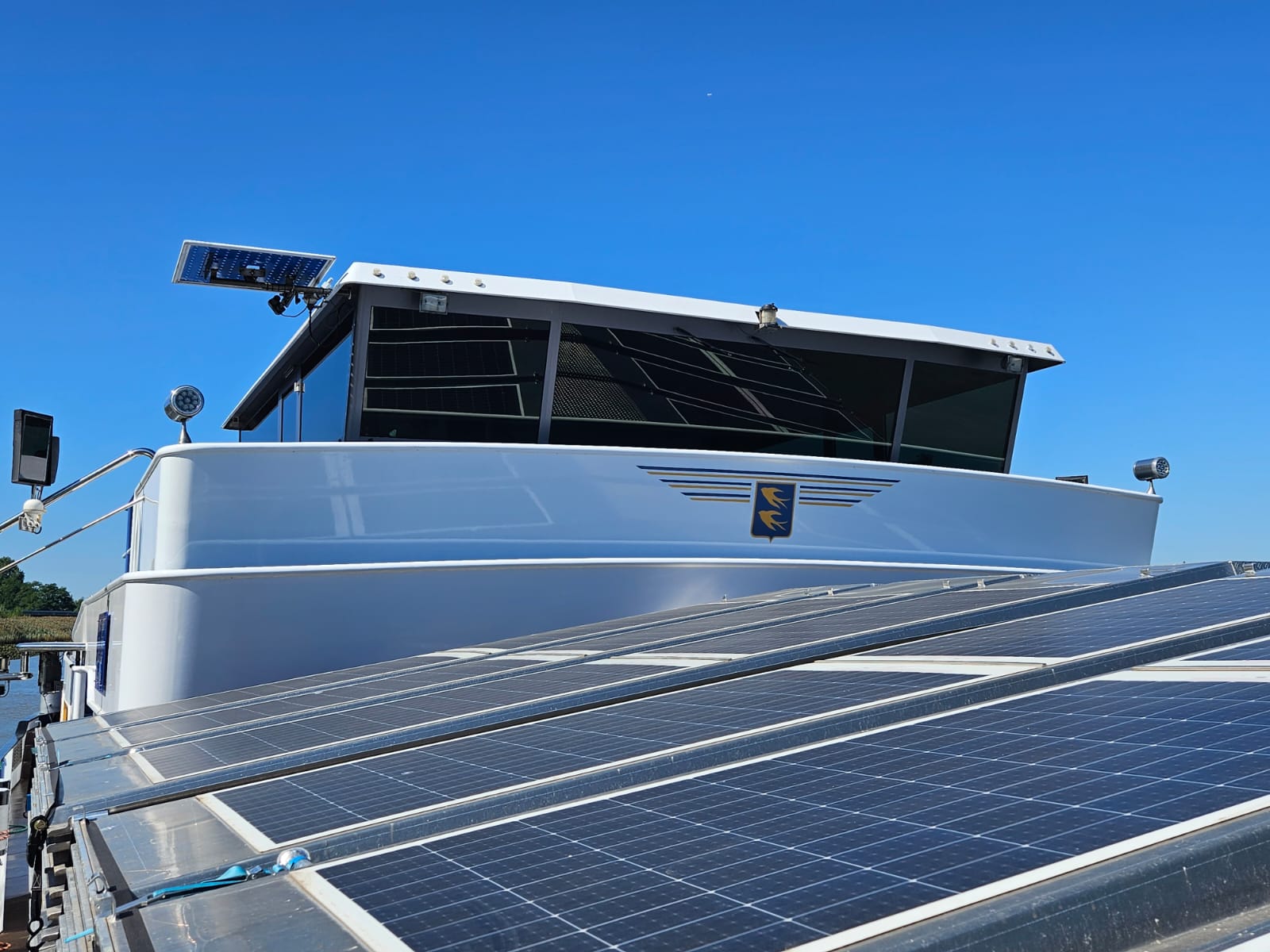
Or fully autonomous via solar cells.

Benefits of dynamic glass
Daylight
Maximising daylight.
Natural daylighting.
Prevents glare and internal reflection.
Keeps a transparent view.
Sun control and thermal comfort
Dynamic solar factor (g-value / ZTA).
Thermal comfort.
Enhanced UV protection.
Energy saving
Reduces the need for air conditioning and lighting.
Reduction of fossil fuels.
Meets sustainability requirements such as LEED and BREEAM.
Added value
Higher productivity.
Contribution to well-being.
Safety glass / protection.
Improved acoustic properties.