Electrically Heated Glass
HeatVision® heated glass for anti-condensation, comfort heating and snow melt. Power from 150 to 600 W/m², up to 3,210 × 7,000 mm.
HeatVision® electrically heated glass
HeatVision® is a special type of treated glass with a transparent electrically conductive coating. Electric current passes through cables on this coating, generating heat so the glass radiates warmth. Power can vary from 150 W to 600 W/m².
The intensity of the heat depends on the final application. The glass can be single laminated glass or integrated in double or triple insulating glass.
Maximum size: 3,210 × 7,000 mm.

Anti-fog and anti-condensation
HeatVision® glass raises the temperature beyond the dew point to prevent condensation. The temperature of the glass is regulated from a simple thermostat up to a home automation system.
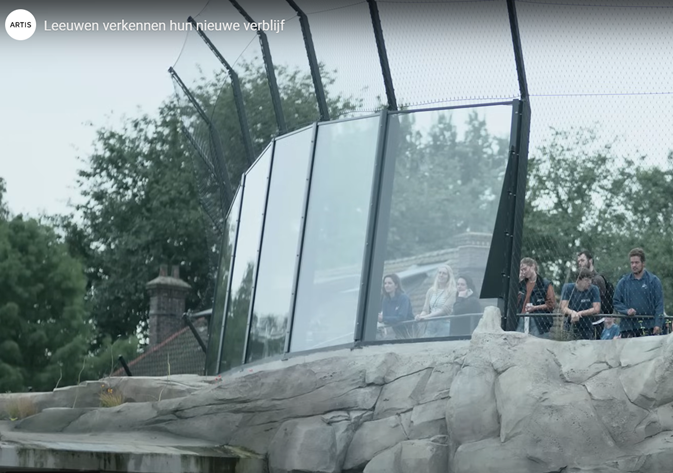
Combining functions such as anti-condensation, anti-reflective and lion-proof safety glass is a Thomsa Glass specialty.
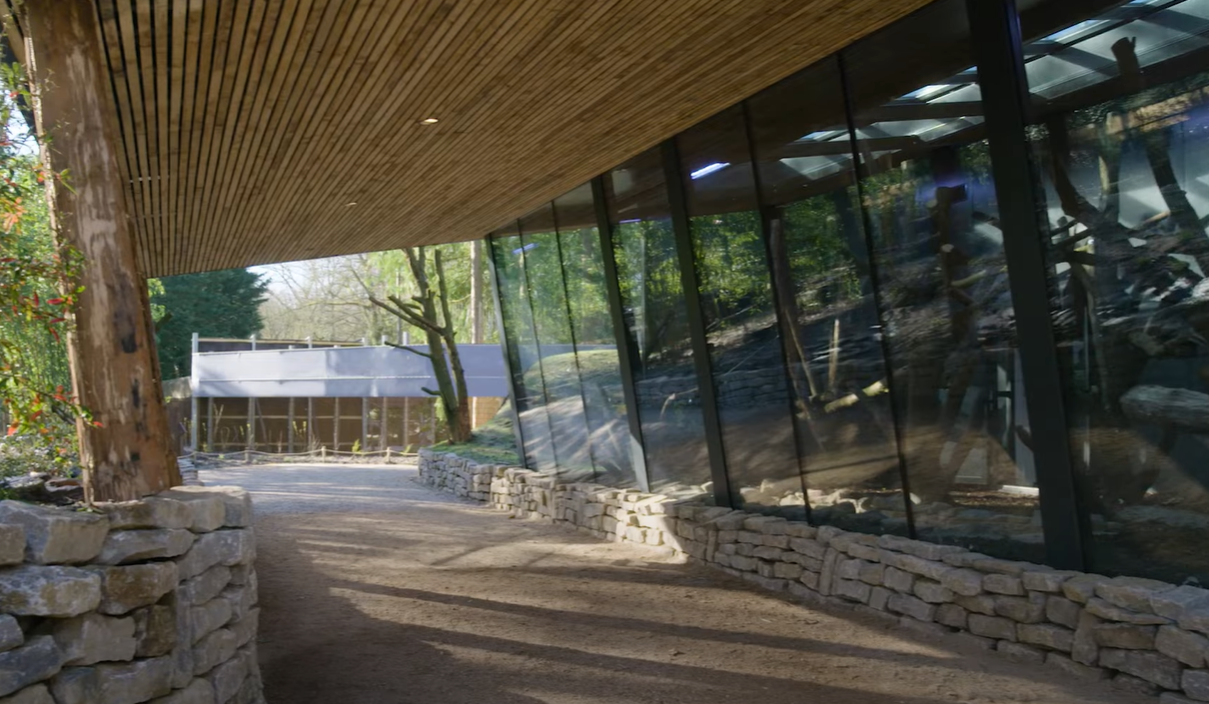
Thomsa Glass supplied the electrically heated glass for the new enclosures for the Talapoin monkeys at Apenheul Primate Park in Apeldoorn, and for zoos such as Artis Amsterdam.
Primary heating source in buildings
Electrically heated glass with a surface temperature of 26–28 °C transfers heat by radiation and can bring the room to 20–22 °C. Heat is distributed evenly through the room, which gives high comfort.


Glazing that melts snow
When the snow sensor detects snowflakes, the glass starts heating and melts the snow. The surface stays clear because the heated glass turns the snow into water.